







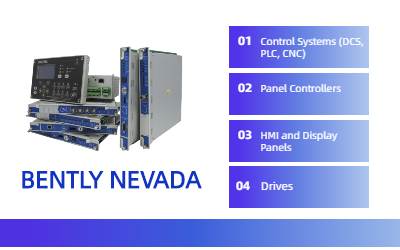
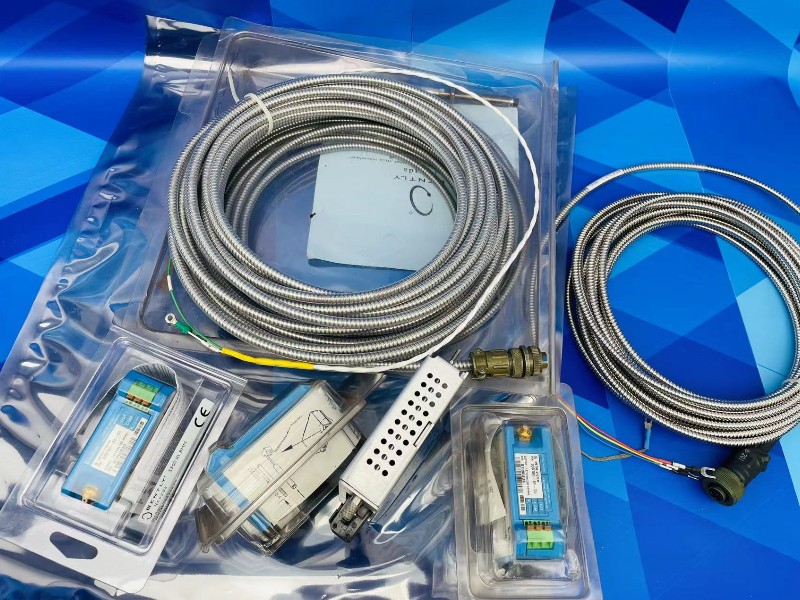
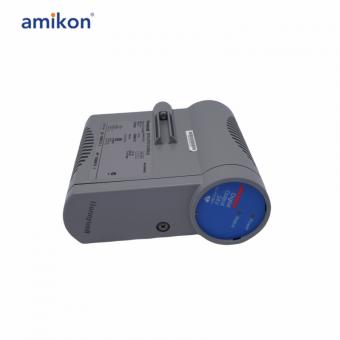
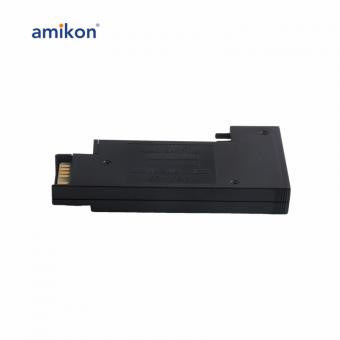
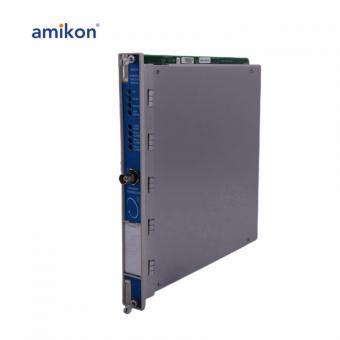
Bently Nevada 990 Vibration Transmitter 990-05-50-01-05 Product Overview: The Bently Nevada 990 Vibration Transmitter is designed for reliable monitoring of vibration in rotating machinery. This model, specifically 990-05-50-01-05, is engineered to provide accurate measurements that are crucial for predictive maintenance and overall equipment health. Key Features: High Sensitivity: Capable of detecting low-level vibrations, enhancing the ability to identify potential issues early. Robust Design: Built to withstand harsh industrial environments, ensuring durability and long-term reliability. Analog Output: Provides standard 4-20 mA output, compatible with most control systems for easy integration. Wide Frequency Range: Suitable for a variety of applications, covering a broad spectrum of vibration frequencies. Specifications: Model Number: 990-05-50-01-05 Output Type: 4-20 mA (current loop) Power Supply: Typically operates with standard industrial power supplies. Measurement Range: Designed for a specified range of vibration measurements, optimized for rotating equipment. Environmental Protection: Rated for IP66, ensuring protection against dust and water ingress. Applications: Rotating Machinery Monitoring: Ideal for turbines, compressors, and motors in various industries. Predictive Maintenance: Enables early detection of faults, helping to prevent unexpected equipment failures. Condition Monitoring Systems: Integrates seamlessly into existing monitoring systems for comprehensive data analysis. Benefits: Enhanced Equipment Reliability: Continuous monitoring leads to improved reliability and reduced maintenance costs. Early Fault Detection: Quick identification of potential issues allows for timely intervention, minimizing downtime. Ease of Integration: Designed to work with standard control systems, simplifying installation and operation. Improved Safety: By monitoring vibration levels, the transmitter helps ensure safe operation of machinery. Conclusion: The Bently Nevada 990 Vibration Transmitter 990-05-50-01-05 is a crucial tool for monitoring the health of rotating machinery. Its advanced features and robust design make it an ideal choice for industries looking to enhance their predictive maintenance efforts and improve operational reliability. Amikon sells new and surplus products and develops channels to purchase such products. This site is not approved or endorsed by any of the listed manufacturers or trademarks. Amikon is not an authorized distributor, dealer or representative of the products displayed on this site. All product names, trademarks, brands and logos used on this site are the property of their respective owners. The description, illustration or sale of products under these names, trademarks, brands and logos is for identification purposes only and is not intended to indicate any affiliation with or authorization by any rights holder. sales7@amikon.cn 86-18965423501 86-18965423501 AMKPLC HOT MODEL TDC3000 30735863-001 792040 0...
View More




 IPv6 network supported |